Fall Nice Retro Color Leaves Art Review
When I first opened the Fall Nice Retro Color Leaves Art file, I immediately thought about the upcoming holiday season and the rush of custom orders that come with it. As someone who has stitched thousands of designs on everything from baby onesies to heavy canvas tote bags, my initial reaction is always practical: "Will this hold up in a real machine embroidery project?" This design brings a specific mood to the table—a nostalgic, warm vibe that feels perfect for autumn-themed merchandise. It isn't just a generic leaf pattern; it carries a retro personality that could elevate a standard craft business item into something that feels curated and intentional.
The First Impression: Mood and Visual Personality
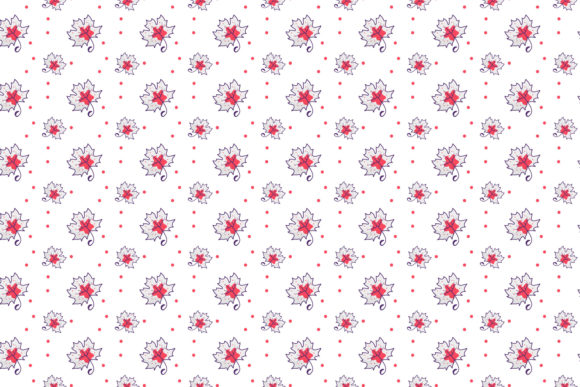
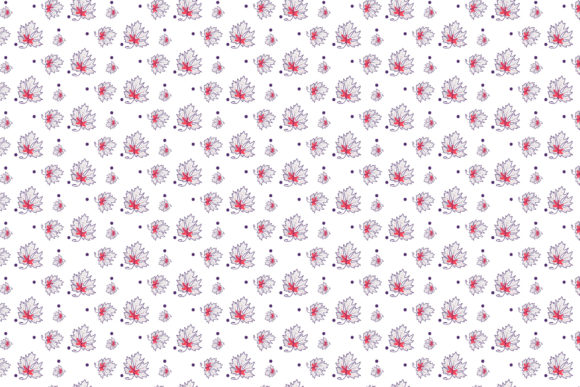
The visual appeal of Fall Nice Retro Color Leaves Art is its strongest asset. The color palette suggests warmth without being overwhelming, making it ideal for seasonal products like kitchen towels, aprons, or pillow covers. Unlike stark, modern vector graphics, this piece has a softness that translates well when converted into thread. For an embroiderer, the key question is how the shapes will stitch out. The retro style implies bold outlines and perhaps some fill stitches that mimic the texture of vintage prints. If executed correctly, the design should have excellent stitching clarity, avoiding the muddy look that often happens when too many colors are packed into a small area.
I see this design fitting naturally into a boutique product line. Imagine a set of matching embroidered patches for denim jackets or a series of personalized gifts for fall weddings. The layout feels balanced enough to work as a central focal point on a sweatshirt chest but also detailed enough to stand alone on a smaller item like a cap or a tea towel. It strikes a balance between artistic flair and commercial viability, which is exactly what small shop owners need when they are trying to differentiate their Etsy listings from mass-produced goods.
Real-World Application: From Digital File to Finished Product
To understand the true value of Fall Nice Retro Color Leaves Art, we have to imagine it in action. Let's say you are preparing a custom embroidered tote bag for a local farmers market. You want something that screams "autumn harvest" but looks professional enough to justify a higher price point. This design would be an excellent candidate. The retro aesthetic pairs beautifully with natural fabrics like canvas or burlap, creating a rustic yet polished look that customers love.
Consider another scenario: a batch of baby clothes for a new arrival during the fall season. Parents are often looking for items that feel cozy and timeless. The gentle curves of the leaves in this design can translate into a soft, comforting feel when stitched onto a cotton onesie or a muslin blanket. However, the success here depends heavily on the stitch density. If the fill stitches are too dense, the fabric might pucker around the neckline, ruining the drape of the garment. If the density is light and airy, it creates a delicate, high-end finish that appeals to buyers looking for quality handmade products.
For apparel decorators working on hoodies or sweatshirts, this design offers a great opportunity to use contrasting thread colors. A dark navy hoodie with the vibrant retro leaves stitched in golden yellows and burnt oranges would pop visually. Similarly, for those selling digital assets or printable mockups, having a design with such strong character allows you to create compelling visuals that attract potential buyers before they even see the physical product.
Where Caution Is Required: Technical Limitations
While the design is versatile, there are specific situations where Fall Nice Retro Color Leaves Art requires careful handling. Small hoop sizes present a challenge if the design contains intricate details that rely on fine lines. If you attempt to stitch this on a very small patch or a tiny pocket area, you risk losing definition, especially if the design relies on running stitches to create texture. Always test the design on scrap fabric first to ensure the smallest elements remain visible after trimming.
Textured fabrics can also be tricky. While the retro style might hide minor imperfections better than a photorealistic design, thick knits or highly textured materials can cause the satin stitches to shift or skip. Stretchy fabrics, such as those used for athletic wear or fitted t-shirts, require a stabilizer strategy that accounts for movement. Without proper backing, the leaves might distort over time, leading to customer complaints about durability. Additionally, on dark fabrics, the contrast of the thread colors is critical. If the background is black and the thread colors are muted, the design might get lost entirely. Always check your thread color contrast against the final fabric choice.
Curved surfaces like caps or hats add another layer of complexity. The geometry of a cap changes how a flat digital file appears once stitched. A design that looks perfect on a computer screen might stretch or compress on a curved brim. It is essential to verify whether the design works well for both personal and commercial projects by testing it on a curved surface before committing to a large production run.
Design Notes for the Professional Embroiderer
Before you hit the start button on your machine, there are several practical steps to take to ensure Fall Nice Retro Color Leaves Art delivers the best results. First, review the stitch density. High-density areas can lead to puckering, while low-density areas might look sparse. Adjusting the settings to match the fabric weight is crucial for a professional finish.
Confirm the hoop size requirements. Although the file formats (AI and EPS) are provided, the actual digitization for embroidery machines involves converting these vectors into stitch paths. Ensure the design fits within your intended hoop dimensions without cutting off important details. Inspect the small details closely; sometimes, tiny corners or sharp angles can be difficult to stitch cleanly, especially on thinner fabrics. Testing the design in black and white mockups can help you visualize the structure of the stitches without the distraction of color.
Don't forget to check the licensing terms. If you plan to sell finished items featuring this design, you must confirm that the license allows for commercial use. Many designers offer personal use licenses only, so verifying these terms protects your small business from legal issues. Also, consider using a proper stabilizer that matches the fabric type to prevent shifting and distortion during the stitching process.
Final Thoughts on Value and Appeal
In the end, Fall Nice Retro Color Leaves Art is more than just a collection of icons and graphics; it is a tool for creative entrepreneurs to build brand consistency and customer trust. When used correctly, it adds a touch of professionalism and artistry to any handmade product. Whether you are crafting personalized gifts for friends or building a robust catalog for an online store, this design offers the flexibility to adapt to various mediums, from kitchen textiles to custom apparel.
The key to success lies in thoughtful execution. By understanding the limitations of different fabrics, choosing the right thread colors, and paying attention to stitch density, you can transform a digital file into a tangible, high-quality finished product. For designers and makers who value practical insight and realistic expectations, this design provides a solid foundation for creating memorable, seasonal items that resonate with buyers. It is a reminder that good design is not just about how it looks on a screen, but how it feels in the hands of the person wearing or using it.