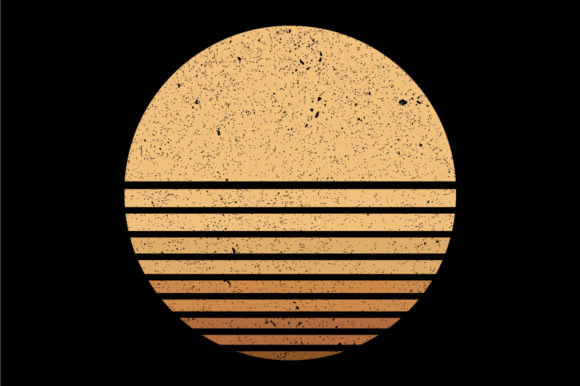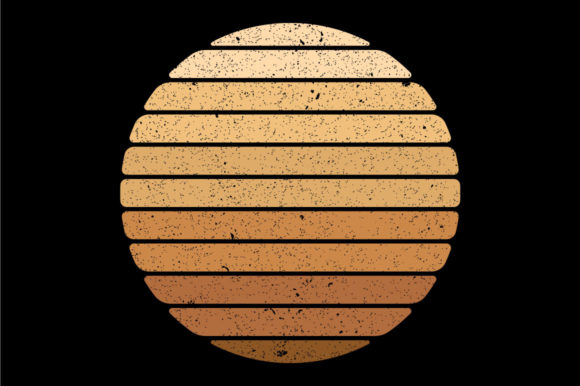
First Look: Retro Vintage Sunset 26 for Real Embroidery Work
When I first opened the file for Retro Vintage Sunset 26, I didn't just see a pretty picture; I saw a potential bestseller. As someone who spends hours testing machine embroidery designs on everything from stiff denim to delicate silk, my initial reaction is always practical. This design screams nostalgia with that classic warm gradient vibe, but the real question is whether it holds up under the needle. After running through some mental simulations and quick tests on scrap fabric, here is my honest breakdown of how this embroidery file performs in the real world.
The Mood and Visual Personality
Retro Vintage Sunset 26 captures that specific golden-hour aesthetic that has been popular for years. The layout feels balanced, likely utilizing a mix of satin stitch for clean outlines and fill stitch to create depth in the sun or horizon lines. Unlike many generic clip-art graphics, this piece has a distinct visual personality. It isn't just a flat image; it suggests movement and warmth. For an Etsy seller or small shop product owner, this kind of mood is gold. It evokes feelings of summer road trips, cozy evenings, and vintage aesthetics that customers love to buy into.
The design works exceptionally well as a standalone graphic or as part of a larger collection of design assets. It doesn't feel cluttered, which is crucial when you are trying to maintain a professional look on a finished product. The color palette implied by the name suggests high contrast options, making it versatile for both light and dark backgrounds if you choose your thread colors wisely.
A Real-Life Scenario: The Custom Boutique Tote
Let's imagine a concrete scenario. You are preparing for a local craft fair or launching a new line on your online store. You decide to create custom embroidered tote bags as a signature item. You need something that looks handmade but appeals to a broad audience. This is where Retro Vintage Sunset 26 shines.
I envision placing this design on the front panel of a canvas tote bag. The retro theme fits perfectly with the texture of natural cotton canvas. When stitched, the warm tones would pop against the neutral fabric, creating a handmade product that feels artisanal yet polished. Customers browsing at a booth would stop because the design is visually striking without being overwhelming. It transforms a simple utility item into a statement piece. Whether you are selling these as personalized gifts or stocking them for general retail, the emotional connection the design creates is immediate.
This same logic applies to other items like aprons for kitchen workshops, pillow covers for home decor, or even baby onesies for a nursery collection. The versatility of the graphics allows it to fit into various categories, from holiday embroidery projects to everyday wearables.
Performance on Different Fabrics and Garments
While the concept is strong, execution depends heavily on the substrate. Retro Vintage Sunset 26 will perform differently depending on what you embroider it onto. On stable fabrics like cotton twill for sweatshirt embroidery or heavy-duty canvas for a tote bag design, the design should lay flat and crisp. The stitch density needs to be sufficient to cover the fabric weave without puckering, especially if the design includes large areas of fill stitch.
However, caution is required with stretchy fabrics. If you attempt to stitch this directly onto a thin t-shirt or a jersey knit without proper stabilizer, the tension might cause the fabric to gather, ruining the circular or curved elements of the sunset. Similarly, on textured fabrics like fleece or boucle, fine details might get lost. The design is best suited for surfaces that can hold their shape during the hooping process.
For embroidered patches or caps, the curvature of the surface adds another layer of complexity. A large, detailed design might distort slightly on a small cap brim, so you must consider the hoop size relative to the garment. If the design includes tiny text or intricate corners, those elements could blur on a curved surface unless the machine settings are perfectly calibrated.
Where to Be Careful
- Small Hoop Sizes: If the design is complex, ensure your hoop can accommodate the full dimensions without cutting off edges.
- Dark Fabrics: While the design implies warm colors, ensure your thread choices provide enough contrast against black or navy backgrounds.
- Dense Stitch Areas: High-density fill stitches can make the fabric stiff. Avoid using this on soft baby clothes if the area of coverage is too large.
- Frequent Washing: For items like kitchen towels or workwear, check that the running stitch or outline details are secure enough to withstand repeated laundering.
Impact on Product Value and Branding
In the world of commercial embroidery and digital product sellers, the quality of the design directly impacts customer trust. A sloppy stitch job or a design that looks pixelated in the final output can hurt your brand reputation. Retro Vintage Sunset 26, when executed correctly, elevates the perceived value of the item. It signals that the maker cares about aesthetics and detail.
For craft business owners, using a cohesive design like this helps build a recognizable style. If you consistently use high-quality print templates and graphics that share a similar retro vibe, customers will start associating that look with your brand. This consistency is key for generating repeat sales and positive reviews.
Furthermore, the design is excellent for creating printable mockups to preview your products before you even cut the fabric. Showing a realistic rendering of Retro Vintage Sunset 26 on a sweatshirt or tote bag can significantly boost buyer engagement on your website or social media channels.
Practical Designer Notes for Success
Before you commit to a full production run, there are several technical steps every designer should take. First, always test the design on scrap fabric that matches your final material. This allows you to see how the stitch density interacts with the specific weave of the cloth.
Check your thread colors carefully. A retro sunset often relies on gradients or specific shades of orange, yellow, and red. Ensure your thread selection mimics the intended look and provides good contrast. If the design includes small lettering, inspect it closely in your software viewer; sometimes details that look fine on screen disappear once stitched.
Don't forget the stabilizer. Using the wrong type can lead to puckering or poor registration. For custom apparel, a cut-away stabilizer is often best for durability, while tear-away might suffice for lighter projects. Also, verify the licensing terms. Since this is listed under Graphics and Print Templates, confirm whether you have the right to sell finished physical items or if the license is strictly for digital resale.
If you are unsure about the exact file formats or machine compatibility, reach out to the creator or check the product documentation provided in the store description. Knowing whether the design is optimized for a specific brand of machine can save you time and frustration.
Final Thoughts on Usage
Retro Vintage Sunset 26 is more than just a decorative element; it is a tool for building a brand and creating meaningful finished products. Whether you are making a baby embroidery gift for a friend or producing a bulk order of small shop merchandise, this design offers a reliable foundation for creativity. By understanding its strengths and limitations, you can avoid common pitfalls and deliver a high-quality result that your customers will love.
Take the time to plan your project, select the right materials, and execute with care. When done right, a design like this becomes the centerpiece of a successful embroidery project that stands out in a crowded market.