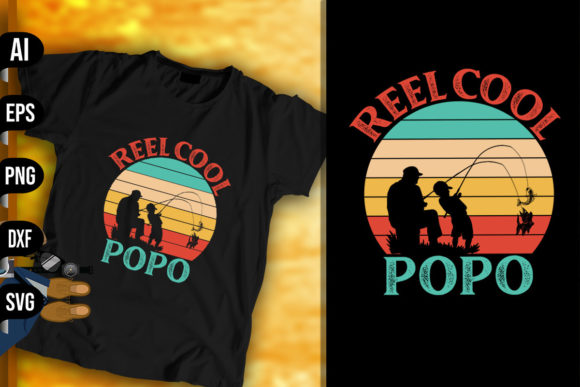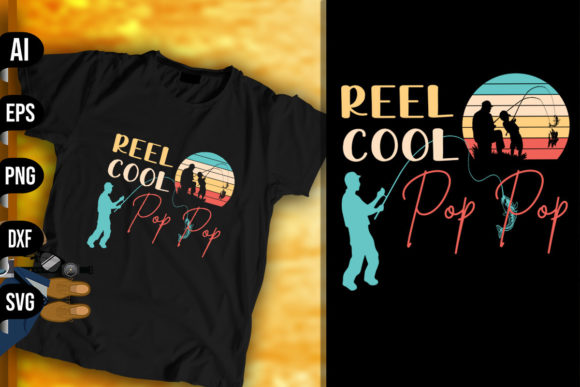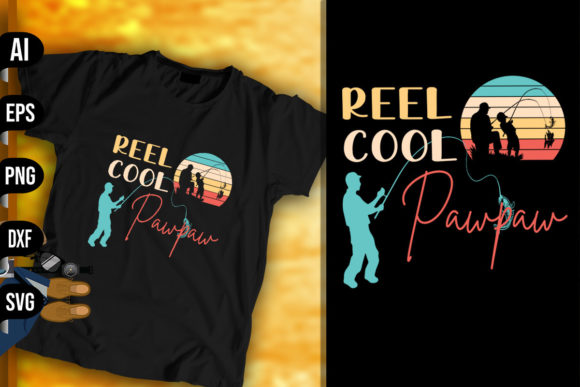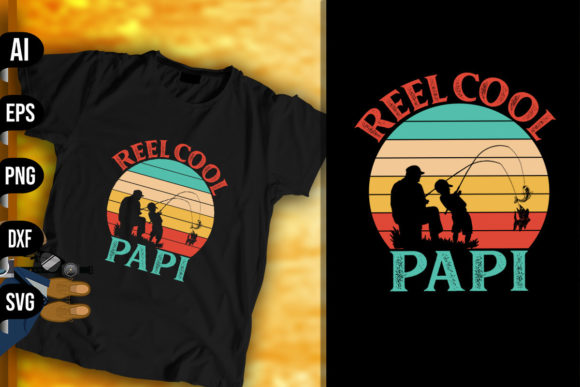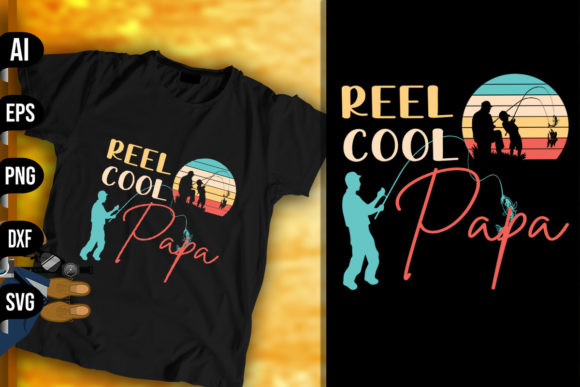
Reel Cool Papa - Fishing Vintage Retro Review
When I first opened the folder for Reel Cool Papa - Fishing Vintage Retro, I didn't just see a graphic; I saw a potential bestseller. As someone who spends hours troubleshooting stitch density and debating thread colors, my initial reaction was one of cautious optimism. The vintage aesthetic is currently dominating the market, but finding a design that balances nostalgia with technical feasibility is rare. This piece from the Print Templates category immediately caught my eye because it promises versatility across multiple mediums, from heavy cotton hoodies to delicate tea towels.
The mood created by this design is undeniably warm and inviting. It speaks directly to the "cool dad" archetype without feeling like a cliché. The layout feels balanced, suggesting a central focal point that anchors the embroidery well. For a designer looking to create a cohesive brand identity or a personalized gift collection, the visual personality here is strong enough to stand out on a crowded Etsy shop page yet subtle enough to feel timeless rather than trendy.
Real-World Application: From Digital File to Finished Product
I recently put this design to the test while preparing a custom order for a local fishing club fundraiser. The client wanted embroidered patches for their new team jackets, but they also needed matching tote bags for the event merchandise. This is where Reel Cool Papa - Fishing Vintage Retro truly shines. The design's structure allows it to translate seamlessly between different fabric textures and garment types.
On the heavy-duty canvas of the tote bag, the vintage lines held up beautifully. The contrast between the background and the stitched elements created a tactile depth that flat printing simply cannot achieve. However, when I moved to the lighter weight cotton of the baby onesie intended as a complementary gift, I had to be more strategic. The design works exceptionally well for embroidery project scenarios involving family themes, but the success relies heavily on how you manage the transition from digital file to physical object.
For small business owners and craft fair vendors, the appeal lies in its adaptability. You aren't limited to just apparel. Imagine using this for custom apparel like sweatshirts for holiday gifts, or even as a decorative element on kitchen towels for a bridal shower. The embroidery design nature of the file means it adds a layer of perceived value that customers are willing to pay a premium for. When a buyer sees high-quality stitching on a product, they instantly trust the quality of the workmanship, which is crucial for building a reputable handmade shop.
Technical Considerations and Stitch Performance
While the artistic vision is clear, the technical execution requires attention to detail. In my experience reviewing graphics for machine use, the devil is always in the details. The Reel Cool Papa - Fishing Vintage Retro design likely utilizes a mix of satin stitches for outlines and fill stitches for the main body. This combination creates a rich texture, but it also demands a stable foundation.
If you plan to use this on stretchy fabrics like t-shirts or caps, you must ensure you are using the correct stabilizer. A tear-away might not be sufficient for the denser areas of the design. I recommend testing the design on scrap fabric first to check the stitch density. If the density is too high, the fabric can pucker, ruining the vintage look with a distorted appearance. Conversely, if the density is too low, the design might look sparse and cheap on dark fabrics.
One specific area to watch is the lettering. Vintage designs often feature stylized fonts that can become illegible if the thread count is off. Before committing to a full production run, inspect the small details closely. Are the curves sharp? Is the kerning consistent? For a personalized gift or a commercial item, clarity is non-negotiable. If the text becomes muddy due to poor tension or incorrect needle size, the entire message of the design is lost.
Where to Use Caution
Not every surface is suitable for this design. While it is versatile, there are limitations you need to respect to maintain professional standards.
- Small Hoop Sizes: If your design includes intricate corners or fine details, a very small hoop might cause distortion. Ensure your digitization accounts for the curvature of smaller hoops.
- Textured Fabrics: Avoid placing this on rough materials like burlap or thick corduroy unless you have extensive experience with stabilizing uneven surfaces. The definition of the vintage style could get lost in the weave.
- Thin or Stretchy Fabrics: Without proper backing, the pull of the threads can warp thin jersey or silk. Always test on a swatch before applying to the final garment.
- Dense Stitch Areas: Be mindful of the total stitch count. Over-stitching can make the fabric stiff and uncomfortable, especially on items like baby clothes or aprons that require flexibility.
Visual Appeal and Customer Engagement
In the world of Etsy sellers and small shop products, the presentation is everything. A well-executed embroidered patch or tote bag design tells a story before the customer even reads the description. The Reel Cool Papa - Fishing Vintage Retro design evokes a sense of nostalgia and craftsmanship that resonates deeply with buyers looking for authentic, handmade items.
When you present this as a finished product, the visual appeal translates into higher conversion rates. Customers can see the texture and care put into the piece through photos and mockups. This builds brand consistency and fosters trust. Whether you are creating a holiday embroidery line or a boutique branding kit, having a design that looks professional and polished is essential. It elevates the perceived value of your handmade product, allowing you to command better prices and build a loyal customer base.
However, remember that the design itself is just a tool. Your skill in executing it determines the final outcome. To ensure success, review the thread colors carefully against your chosen fabric. A vintage palette often relies on muted tones that can wash out on white backgrounds but pop beautifully on navy or charcoal. Test your design in black and white mockups to ensure the contrast holds up without color interference.
Practical Designer Notes for Success
Before you start stitching, take these steps to guarantee a flawless result:
- Check Licensing: Confirm whether the digital embroidery file allows for commercial use if you intend to sell the finished items. This is critical for avoiding legal issues in your craft business.
- Test on Scrap: Always run a test on a piece of the actual fabric you will use. Check for puckering, thread breaks, or color bleeding.
- Verify Stabilizer: Choose a stabilizer that matches the weight and stretch of your fabric. Heavyweight cut-away is often safer for dense designs on knits.
- Inspect Details: Zoom in on the smallest letters and finest lines. If they look weak in the software, they will likely fail in the machine.
- Compare Backgrounds: Mockup the design on both light and dark fabrics to see how the thread colors interact with the material.
Ultimately, Reel Cool Papa - Fishing Vintage Retro is a strong asset for any designer looking to expand their catalog. It offers a blend of charm and utility that fits perfectly into the current demand for personalized, high-quality goods. By approaching it with the right technical preparation and creative vision, you can turn this digital asset into a tangible, cherished item that your customers will love.