Restaurant Retro Logo Design Premium Review
I have spent years reviewing embroidery files for everything from high-end boutique branding to quick craft fair projects. When I first opened the Restaurant Retro Logo Design Premium, my immediate reaction was one of cautious optimism. In a market flooded with generic clip art and overused fonts, finding a design that captures a genuine vintage vibe without looking cheap is rare. This file promises to be a versatile asset for Logos and Graphics, but does it hold up when transferred from a screen to a needle?
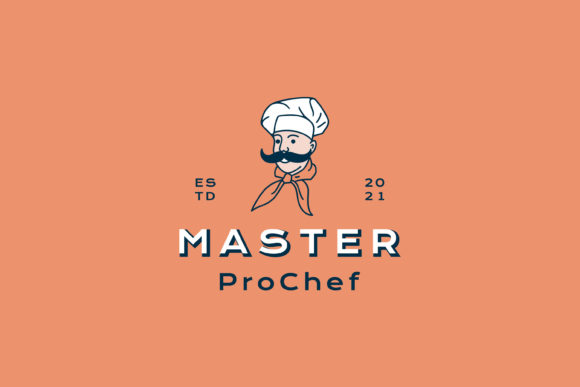
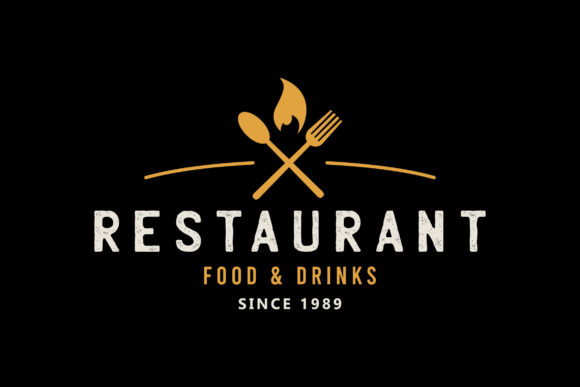
The aesthetic of this design screams "diner nostalgia." It evokes the feeling of a classic roadside stop with chrome details and warm, inviting colors. For an embroidery designer, the visual personality is crucial because it dictates the mood of the final product. A retro logo needs to feel worn-in yet crisp, and this design attempts to balance those elements well. The layout suggests a circular or badge-style composition, which naturally fits the round nature of many embroidery hoops and patches.
From Digital File to Finished Product: A Real-World Test
To truly evaluate Restaurant Retro Logo Design Premium, I imagined placing it on a specific project rather than just scrolling through a catalog. Let's say I am preparing a custom embroidered tote bag for a local coffee shop owner who wants to sell branded merchandise at a farmers market. The goal is to create a handmade product that feels authentic and supports the shop's brand identity.
When I visualize stitching this design onto a heavy canvas tote, the retro theme works perfectly. The bold lines of the vector translate well into satin stitches, giving the logo a raised, tactile quality that customers love to touch. However, the success of this embroidery project depends heavily on how the machine handles the specific curves and text within the file. If the original vector has sharp, intricate corners, they might get lost in the fabric texture. If the lettering is too small, it risks becoming a blurry mess on a busy surface.
In a scenario involving a baby onesie or a nursery pillow cover, the mood shifts slightly. Here, the Restaurant Retro Logo Design Premium would need to be scaled down significantly. While the vintage style is charming, the detail level must be reduced to prevent puckering on delicate fabrics. A soft cotton jersey requires a different approach than a sturdy denim jacket. The file's ability to be resized without losing its character is the first test of its viability as a commercial asset.
Navigating Stitch Density and Fabric Texture
One of the most critical aspects of any machine embroidery design is stitch density. High-density designs look professional but can make thin fabrics like tea towels or lightweight aprons stiff and uncomfortable. Conversely, low-density fills might not show up well on dark fabrics. With Restaurant Retro Logo Design Premium, the reviewer must carefully inspect the fill stitches before running the machine.
If the design includes a lot of satin stitch around the edges of the logo, it will create a nice border, but on stretchy knit fabrics like sweatshirts, this can cause distortion. I would advise using a cut-away stabilizer for these applications to maintain the shape of the logo over time. For a custom apparel piece like a cap or hat, the curvature of the surface adds another layer of complexity. The design might need to be adjusted to sit correctly on the curved panel of a baseball cap, ensuring the text remains legible and doesn't wrap awkwardly.
Texture plays a huge role in the final presentation. On a rough burlap sack, the retro details might get lost, whereas on a smooth twill, the design will pop. The choice of thread colors is equally important. A classic color palette of cream, navy, and rust would enhance the vintage feel, while neon threads might clash with the intended aesthetic. Testing the design in black and white mockups first can help determine if the contrast between the background and the stitches is sufficient for clarity.
Where to Exercise Caution
While the Restaurant Retro Logo Design Premium is promising, there are specific scenarios where it requires careful handling. Small hoop sizes are a common pitfall. If you attempt to stitch this design in a 4x4 hoop, the fine details might be cropped out or become indistinguishable. Similarly, textured fabrics like fleece or bouclé can swallow up the definition of the logo, making it look muddy.
Dense stitch areas should be monitored closely. If the design relies on tight fills to create shadows or depth, it may require multiple layers of stabilizer to prevent the fabric from pulling. For products that need frequent washing, such as kitchen towels or work aprons, the durability of the stitches is paramount. A poorly digitized design might unravel or fade quickly, damaging the reputation of the maker. Always confirm the licensing terms before selling finished items, especially if the design includes editable text that clients might want to change.
Impact on Brand Consistency and Customer Trust
In the world of Etsy sellers and small shop products, the quality of the embroidery directly influences customer trust. A sloppy stitch job can make a handmade gift look mass-produced, while a clean, precise design elevates the perceived value. Restaurant Retro Logo Design Premium has the potential to create a cohesive brand image if used consistently across various items like tote bag designs, sweatshirt embroidery, and embroidered patches.
When a customer receives a personalized gift featuring this logo, the emotional connection is strengthened by the attention to detail. The retro theme taps into a sense of warmth and tradition, making it ideal for holiday embroidery or wedding gifts. However, the design must be executed flawlessly to avoid looking dated in a negative way. It should feel nostalgic, not outdated.
Practical Notes for the Designer
Before committing to a large production run, always test the design on scrap fabric. Check the thread color contrast against your intended background material. Review the stitch density to ensure it isn't too heavy for the fabric weight. Confirm the hoop size requirements and inspect small details like tiny letters or decorative accents to ensure they are clear. Use proper stabilizer for the specific fabric type, whether it is a digital embroidery file for a simple patch or a complex commercial embroidery project.
Finally, verify the file formats provided. The package includes EPS, AI, and Svg files, which are excellent for scaling and editing. Ensure you have the software to open these vectors if you plan to modify the text or shapes. By following these steps, you can transform the Restaurant Retro Logo Design Premium from a simple graphic into a standout feature of your creative business.