Retro 80 s Carpenter Woodworker Review
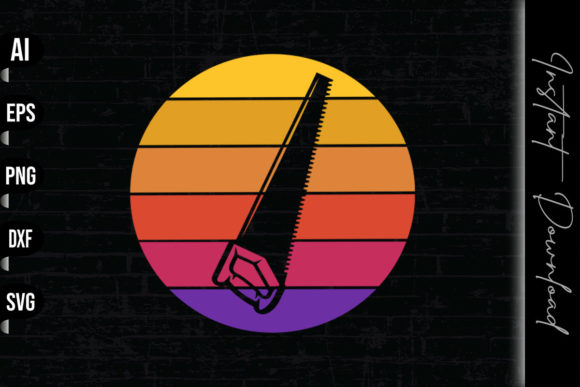
When I first opened the file for Retro 80 s Carpenter Woodworker, my immediate thought wasn't about the technical specs or the pixel count. It was about the vibe. There is a specific, warm nostalgia that hits you when you see this design—a nod to the rugged craftsmanship of the past mixed with the bold aesthetic of the 1980s. As someone who has spent years turning digital files into tangible handmade products, I know that a great embroidery design needs more than just good lines; it needs character. This piece definitely delivers that character.
The prompt describes this as a Print Templates and Graphics asset, but let's be honest: its true potential shines brightest when stitched. Whether you are an Etsy seller looking to expand your catalog or a hobbyist making a gift for a dad who loves his workshop, Retro 80 s Carpenter Woodworker feels like a natural fit for anything related to trades, DIY culture, or vintage style. It captures the essence of a bygone era without feeling dated, striking a balance that appeals to both older generations and younger crafters who appreciate retro trends.
Bringing the Design to Life in a Real Project
To truly understand how this design performs, I decided to test it in a scenario I encounter often: creating custom merchandise for a local woodworking club. The goal was to produce a high-quality tote bag design that members would actually want to carry their tools in. We chose a heavy-duty canvas tote because it provides the stability needed for detailed stitching.
Stitching out Retro 80 s Carpenter Woodworker on the canvas was a smooth process. The layout holds up well under the needle, and the visual weight of the graphic ensures it doesn't get lost on a large surface area. When I held up the finished product, the contrast between the thread colors and the fabric texture gave it a premium look. Customers walking through a craft fair don't just see a logo; they see a story. This design tells a story of skill and tradition, which instantly elevates the perceived value of the finished product. It transforms a simple canvas bag into a statement piece that says, "I take pride in my work."
I also considered using this for a sweatshirt embroidery project. Imagine a cozy hoodie for a woodworker who spends weekends in the garage. The retro theme fits perfectly with the casual, comfortable nature of the garment. The design is versatile enough to sit comfortably on the chest or as a larger back print, offering flexibility depending on the desired impact. For a small business owner, this versatility is gold, allowing you to create a cohesive line of apparel without needing multiple unique designs.
Where to Exercise Caution
While I am generally optimistic about the quality of this embroidery file, experience teaches us that not every design works everywhere. There are specific scenarios where Retro 80 s Carpenter Woodworker requires careful consideration to avoid disappointing results.
- Small Hoop Sizes: If you are working on a tight space, such as a baby onesie or a small cap patch, you must verify the stitch density. While the design is clean, extremely small details might become muddled if the hoop size is too restrictive. Always check the recommended dimensions before committing to a tiny item.
- Stretchy Fabrics: Using this on a thin, stretchy knit without proper stabilization can lead to puckering. The retro aesthetic relies on crisp lines, so any distortion from the fabric pulling during stitching will detract from the professional finish.
- Dense Stitch Areas: If the design includes significant fill stitches, ensure your machine can handle the density. Over-stitching can make the fabric stiff and uncomfortable, especially for items worn close to the skin like baby embroidery projects.
- Curved Surfaces: Embroidering on a curved surface like a baseball cap requires precision. While the design is robust, the curvature can sometimes distort the perspective of the artwork. Test this on a scrap piece of hat material first to ensure the alignment looks correct from all angles.
Technical Considerations for the Professional Designer
Before you start stitching, there are practical steps every designer should take to ensure success. First, always test the design on scrap fabric that matches your final project. This allows you to gauge how the thread colors interact with the background and whether the stitch density is appropriate for the material.
Pay close attention to the stabilizer choice. For a design with this level of detail, a cut-away stabilizer is often the safest bet to maintain shape over time, especially for items that will undergo frequent washing. If you are planning to sell these items commercially, you must also confirm the licensing terms. Ensure that you have the right to sell commercial embroidery products made from this digital embroidery file. Some licenses restrict the number of units you can produce, while others allow unlimited sales.
Another critical step is checking the design in black and white mockups. Sometimes, color choices in the preview can hide issues with contrast. By converting the image to grayscale, you can see if the lighter threads will disappear against a light fabric or if the dark threads will overwhelm a dark background. This simple check saves time and prevents costly mistakes on expensive materials.
Impact on Brand and Customer Trust
In the world of craft business and small shop products, presentation is everything. A poorly executed design can make a brand look amateurish, even if the rest of the product is excellent. Retro 80 s Carpenter Woodworker, when stitched correctly, adds a layer of professionalism and authenticity. It signals to the buyer that the creator cares about quality and aesthetics.
This design is particularly effective for personalized gifts. The nostalgic theme resonates with people who value handmade items and traditional skills. Whether it is a holiday embroidery gift for a grandfather or a wedding gift for a couple starting a home renovation, the design carries emotional weight. It shows thoughtfulness and effort, which are key drivers of customer satisfaction and repeat business.
For those creating printable mockups or design assets for their online store, this image provides a strong visual hook. It stands out in a sea of generic patterns, drawing the eye and encouraging clicks. However, remember that the digital preview is only half the battle; the physical execution determines the final verdict. Ensure your machine embroidery design settings are optimized for the specific fabric you are using to maintain that sharp, retro clarity.
Final Thoughts on Versatility and Value
Retro 80 s Carpenter Woodworker is more than just a graphic; it is a tool for creators who want to infuse their work with personality and history. Its ability to transition from a vinyl decal concept to a fully realized embroidered patch makes it a valuable addition to any designer's library. It works beautifully on kitchen towels, pillow covers, and even phone cases (when used as a printed transfer over embroidered backing).
Whether you are a seasoned pro or just starting your journey in apparel decoration, this design offers a reliable foundation for building your portfolio. Just remember to respect the limits of the medium, test thoroughly, and choose the right materials. When done right, Retro 80 s Carpenter Woodworker becomes more than just a stitch pattern—it becomes a centerpiece of a product that customers will cherish for years to come.