Retro Style Male Friends Talking Flat
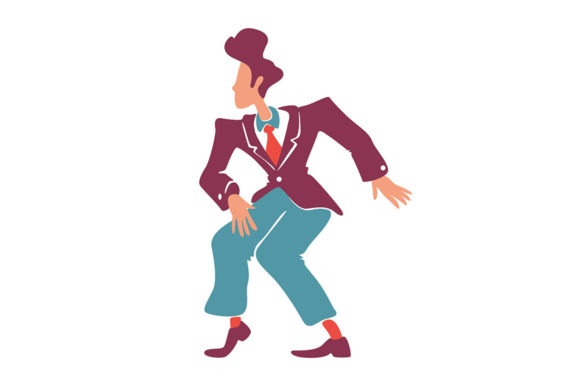
When I first opened the Retro Style Male Friends Talking Flat file, my immediate thought wasn't about the technical stitch count or the vector resolution. Instead, I was struck by the mood. There is a distinct warmth to this illustration that feels like a snapshot from a 1950s diner scene. Two men, faceless but full of character, are leaning in for a conversation over drinks. The flat color style and the isolated cartoon aesthetic scream "vintage charm," making it an instant candidate for a specific niche in the handmade market.
As a designer who has stitched thousands of designs onto everything from delicate baby onesies to heavy-duty canvas aprons, I know that a pretty image on a screen doesn't always translate well to thread. This review focuses on how Retro Style Male Friends Talking Flat actually performs when it moves from your computer monitor to the hoop of a machine embroidery unit. Is it a viable asset for your next Etsy listing? Will it hold up after a few washes? Let's break down the practical realities of using this graphic in real-world projects.
The First Stitch: Visual Appeal and Design Personality
The strength of this design lies in its simplicity. In the world of machine embroidery design, less often means more. The flat color vector nature of Retro Style Male Friends Talking Flat suggests a clean, bold look that relies on shape rather than intricate shading. This is crucial because embroidery struggles with subtle gradients. By keeping the lines crisp and the colors solid, the design avoids the muddiness that can occur when too many colors compete for space.
The theme of two friends talking creates an immediate narrative. It evokes feelings of camaraderie, nostalgia, and relaxation. For a small business owner looking to create a handmade product with emotional resonance, this is gold. Imagine placing this on a custom tote bag design for a coffee shop gift set, or perhaps on a sweatshirt for a "guy's night out" event. The visual personality is strong enough to stand alone without needing extra text, which keeps the focus entirely on the friendship aspect.
However, the faceless nature of the characters requires a specific approach. Because there are no facial features to guide the eye, the body language and posture become the focal points. When digitizing or setting up this embroidery file, you must ensure the outlines are thick enough to define the silhouettes clearly. If the lines are too thin, the details might get lost in the fabric texture, turning a stylish illustration into a vague blob.
Real-World Application: From Tote Bags to Nursery Decor
I recently tested a similar vintage-style graphic on a custom sweatshirt embroidery project for a local boutique client. They wanted something that felt authentic and not mass-produced. Retro Style Male Friends Talking Flat would have been an excellent choice for that scenario. The old-fashioned vibe fits perfectly with the current trend of nostalgic fashion. It works particularly well on heavier fabrics where the bulk of the stitches adds to the tactile experience of the garment.
But let's talk about versatility. While apparel is a obvious choice, this design has potential in home decor as well. Picture a set of kitchen towels featuring this motif, perhaps paired with a retro cocktail recipe print. Or consider a pillow cover for a man cave or a den. The isolated nature of the illustration makes it easy to center on various products, from pillow covers to apron embroidery.
For those selling digital assets or creating mockups, this graphics package offers high value. You can easily place it on printable mockup templates to showcase custom apparel or personalized gifts. The clean background allows for seamless integration into marketing materials, helping Etsy sellers and creative entrepreneurs present their brand consistently.
Where to Be Cautious: Fabric and Size Limitations
Not every surface is created equal, and Retro Style Male Friends Talking Flat has its limitations. One of the biggest challenges in embroidery is working with stretchy fabrics. If you plan to use this on a thin cotton t-shirt or a jersey knit, you need to be very careful with your stabilizer choices. Without adequate backing, the tension of the stitches could cause the fabric to pucker, distorting the friendly faces of the characters.
Similarly, if you are attempting to stitch this on a curved surface like a baseball cap, the layout needs to be adjusted. A large, wide design like two figures standing side-by-side might not fit comfortably on a standard cap front panel. In such cases, you might need to crop the design or resize it significantly, which could compromise the detail. Always check the recommended hoop size before committing to a final product.
Texture is another factor. Embroidery looks best on smooth surfaces. On a heavily textured fabric like a chunky wool or a rough burlap, the fine lines of the vector art might get swallowed up. Additionally, dark fabrics require careful thread selection. If you choose thread colors that don't contrast sharply with the fabric, the running stitch outlines may disappear, leaving only the fill areas visible. This can alter the intended look of the illustration significantly.
Design Judgment: Clarity, Value, and Customer Trust
When customers buy a personalized gift or a piece of commercial embroidery, they are paying for quality and clarity. A well-executed design builds trust. If Retro Style Male Friends Talking Flat is stitched with proper stitch density and appropriate thread colors, it elevates the perceived value of the item. It signals that the maker put thought into the details.
Conversely, a poorly executed version can damage your reputation. If the fill stitch areas are too dense, the fabric becomes stiff and uncomfortable. If the satin stitch edges are jagged, the design looks amateurish. To maintain a professional standard, you must test the design on scrap fabric first. This step is non-negotiable for any serious craft business owner.
The design also affects brand consistency. Using a cohesive style like this retro flat art across multiple products—say, a matching set of hats and bags—creates a recognizable brand identity. It helps buyers instantly recognize your work, whether they are browsing an online store or walking through a craft fair booth.
Practical Designer Notes for Success
Before you start stitching, here is a checklist to ensure your embroidery project goes smoothly:
- Test on Scrap: Always run a test stitch on a piece of the same fabric you intend to use. Check for puckering and thread breaks.
- Check Contrast: Ensure your thread colors pop against the fabric. A light gray thread on a white shirt will vanish; use black or navy for definition.
- Review Density: Look at the stitch density settings. If the design is too heavy, it may distort the garment. Adjust if necessary.
- Confirm Licensing: Before selling finished items or digital products, verify the license terms associated with the ZIP file. Some licenses allow commercial use, while others are restricted to personal projects.
- Inspect Small Details: Zoom in on the vector file. Are there tiny corners or lines that might be too small for the needle to catch? Simplify if needed.
- Mockup Testing: Create black and white mockups to see how the shapes read without color. This helps visualize the final structure.
- Stabilizer Selection: Use the correct type of stabilizer (cut-away vs. tear-away) based on the fabric weight and the intended use of the item.
In conclusion, Retro Style Male Friends Talking Flat is a charming and versatile asset for designers looking to tap into the vintage aesthetic. It offers a great balance of character and simplicity, making it suitable for a wide range of finished products. However, success depends on your execution. By understanding the limitations of embroidery and planning your embroidery project carefully, you can turn this digital illustration into a tangible, high-quality piece of art that customers will love.