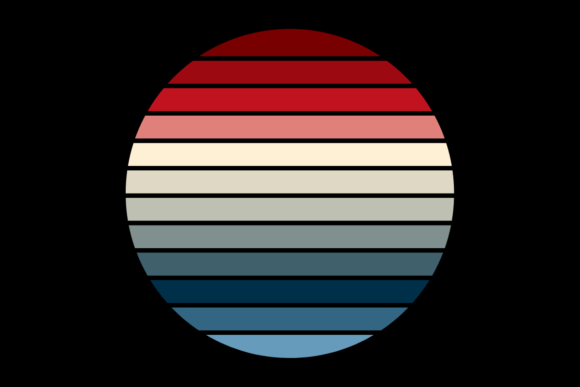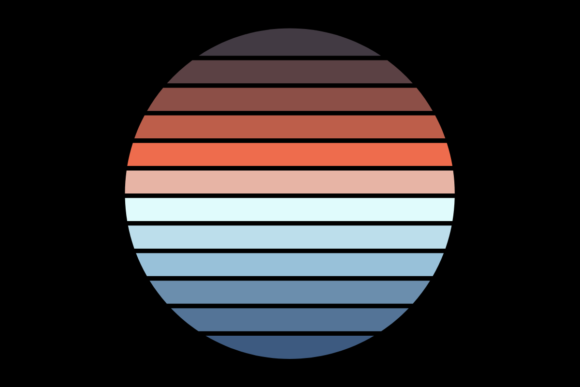
Retro Sunset Circle 63: A Designer's Real-World Embroidery Review
I have spent years reviewing machine embroidery designs for everything from boutique branding to personalized gifts. When I first saw the Retro Sunset Circle 63, my immediate thought wasn't about its file format or pixel count, but rather how it would translate into thread. In the world of digital product sellers and Etsy sellers, trends move fast, but a design that actually holds up under a needle is rare. This piece taps into a specific aesthetic—the nostalgic warmth of a vintage sunset—that has proven to be a staple in top-selling apparel.
The prompt mentioned that roughly 25 of the top 100 shirts on Amazon feature this retro motif. That statistic alone tells me that the visual language of Retro Sunset Circle 63 resonates with buyers. But does it work for the rest of us? Can a small business owner take this embroidery file and turn it into a profitable, high-quality finished product without it looking cheap or distorted? After running through a mental simulation of various projects, here is my honest assessment of how this design performs in real-life scenarios.
The First Impression: Mood and Visual Personality
Retro Sunset Circle 63 exudes a cozy, mid-century modern vibe. The circular shape provides a contained focal point that feels intentional rather than accidental. Unlike chaotic patterns that can get lost in dense stitching, this design relies on clean lines and distinct color blocks. For an embroidery designer, this is crucial because it suggests that the stitch density will likely be manageable, avoiding the dreaded "pull" where the fabric distorts around the edges.
The mood is undeniably inviting. It screams "handmade" and "crafted with care." When placed on a product, it doesn't just decorate; it sets a tone. Whether you are creating a holiday gift or a custom tote bag, this design brings a sense of warmth that customers associate with quality. It feels like a design meant to be touched, worn, and displayed. It bridges the gap between a simple graphic print and a sophisticated textile art piece.
Real-World Application: From Sketch to Stitch
Let's imagine a concrete scenario. You are preparing inventory for a local craft fair. You have decided to create a line of premium aprons and kitchen towels featuring warm, homey graphics. You pull up Retro Sunset Circle 63 as your primary motif. How does it look?
On a heavy cotton canvas apron, the circle would frame beautifully against the chest pocket. The retro theme fits perfectly with the rustic aesthetic of a handmade kitchen tool. The design is versatile enough to work as a standalone element or paired with script text. However, the success of this project depends heavily on your choice of thread colors. If you choose threads that mimic the gradient of a real sunset—deep oranges fading into soft purples—the satin stitch areas will catch the light and add dimension that a flat print simply cannot achieve.
Consider also a baby onesie or a nursery pillow cover. The rounded shape of the circle is gentle and safe-looking, which appeals to parents. The Retro Sunset Circle 63 would serve as a charming centerpiece for a gender-neutral nursery. Because the design is relatively contained within a circle, it avoids the issue of long, unbroken lines that might snag on a crib rail or a child's fingernails. It is practical, durable, and visually appealing.
For commercial embroidery projects, such as branded sweatshirts for a small shop, this design offers strong brand consistency. It is recognizable and memorable. Customers scanning a rack of merchandise at a boutique will likely stop at the items with this distinct retro flair. It elevates the perceived value of the garment, making a standard hoodie feel like a curated fashion item.
Where to Proceed with Caution
While the design has many strengths, no single embroidery project is a one-size-fits-all solution. There are specific situations where Retro Sunset Circle 63 requires careful consideration before you hit the start button on your machine.
First, consider the hoop size. If you attempt to stitch this on a very small hoop, such as those used for hat patches or tiny accessories, the details might become muddy. The curves of the sunset need room to breathe. If the design is too large for the available space, the fill stitch areas may crowd each other, resulting in a texture that feels lumpy rather than smooth.
Texture is another factor. On highly textured fabrics, like chunky boucle or thick terry cloth, the definition of the design could be lost. The raised stitches might not sit flush against the uneven surface, leading to a messy appearance. Similarly, thin or stretchy fabrics require extra vigilance. Without proper stabilizer support, the tension of the satin stitch could cause the fabric to pucker, ruining the circular symmetry of the design.
Dark fabrics present their own challenges. While the retro sunset colors are vibrant, they rely on contrast to pop. If you embroider this directly onto black fabric without using a high-density underlay or a specific thread palette, the design might appear dull. You must ensure that the thread colors chosen provide enough brightness to stand out against the dark background.
Impact on Product Value and Customer Trust
In the competitive landscape of handmade products, presentation is everything. Using a well-executed design like Retro Sunset Circle 63 signals professionalism. It shows that you understand the nuances of machine embroidery design and care about the final output. When a customer receives a personalized gift with crisp, clear stitching, their trust in your brand increases.
This design enhances the "giftability" of your items. People often struggle to find meaningful gifts that aren't generic. A custom embroidered item featuring this nostalgic imagery feels personal and thoughtful. It stands out in a sea of mass-produced goods. Furthermore, for digital product sellers, having a clean vector source (like the AI and SVG files mentioned) allows you to create high-quality printable mockups that accurately represent the finished product, reducing returns due to mismatched expectations.
Practical Notes for the Embroidery Designer
Before you commit to a full production run, there are essential steps you must take. Always test the design on scrap fabric first. This allows you to check the stitch density and see if any adjustments are needed for your specific machine. Review the layout in both color and black and white to ensure the shapes remain distinct even when the color information is removed.
Inspect the small details closely. Are the corners sharp? Is the spacing between elements consistent? If the design includes any lettering, verify that it remains legible at the intended size. Compare the look of the design on light and dark backgrounds to determine the best thread combinations. Most importantly, confirm your licensing terms. Ensure that you have the right to use these design assets for commercial purposes if you plan to sell the finished items.
Finally, pay attention to the fabric texture. Different materials react differently to the same design. A design that looks perfect on denim might behave differently on silk or fleece. By testing thoroughly, you ensure that every finished product meets the high standards expected by today's discerning buyers.
Retro Sunset Circle 63 is more than just a pretty picture; it is a functional tool for creative entrepreneurs. With the right execution, it can transform a simple piece of fabric into a cherished keepsake or a best-selling product. It captures a moment in time, rendered in thread, ready to be shared with the world.