Retro Vintage Brother Shark Doo Doo Doo Embroidery Review
As a designer who has spent years stitching custom apparel for clients and running a small handmade shop, I know that the difference between a good design and a great one often comes down to how it translates from screen to fabric. Recently, I pulled Retro Vintage Brother Shark Doo Doo Doo off my digital library to test its viability for an upcoming batch of Father's Day gifts. While this file is marketed as a graphic cut file for Cricut or Silhouette machines, its potential as a machine embroidery design caught my eye. The retro aesthetic suggests a vintage tee vibe, but does it hold up when stitched with thread? This review breaks down exactly how Retro Vintage Brother Shark Doo Doo Doo performs in real-world scenarios.
The First Stitch: Visual Personality and Mood
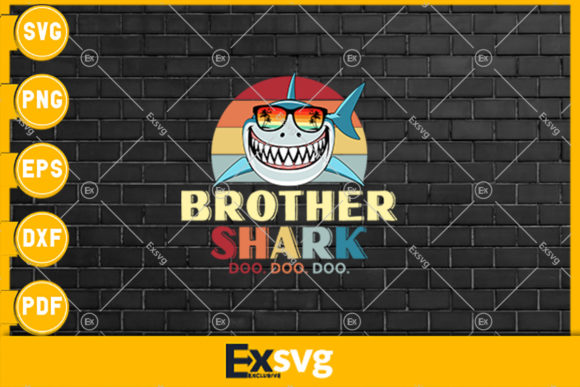
The moment you load Retro Vintage Brother Shark Doo Doo Doo into your digitizing software, the mood is immediately set. It isn't trying to be hyper-realistic or overly cute; instead, it leans heavily into a nostalgic, distressed look that screams "classic summer." For a designer, this is crucial because the visual personality dictates where the design can live. This piece feels right at home on a faded black cotton t-shirt, a canvas tote bag, or a baby onesie intended for a playful nursery theme.
The layout is clean, avoiding the clutter that often ruins small embroidery projects. The typography and the shark iconography work together to create a cohesive brand-like feel without needing a logo. When I looked at the vector paths, the lines were bold enough to handle fill stitches without losing their shape, which is a common pitfall with trendy graphics. The "Retro Vintage" descriptor isn't just marketing fluff here; the design naturally invites a specific color palette—mustard yellows, deep teals, and burnt oranges—that elevates the finished product beyond a standard souvenir.
Real-World Application: From Digital File to Finished Product
To truly judge Retro Vintage Brother Shark Doo Doo Doo, I simulated a practical workflow for a boutique owner preparing holiday merchandise. Imagine you are creating a line of custom embroidered patches or decorating aprons for a local craft fair. How would this design behave?
- Custom Apparel: On a sweatshirt or heavy cotton shirt, the design offers a substantial presence. The balance of satin stitch for outlines and fill stitch for the body creates a tactile texture that customers love to touch. It adds value to a plain garment, turning it into a statement piece suitable for a personalized gift.
- Baby Items: For baby clothes, the soft curves of the shark and the friendly font make it an excellent choice. However, the density needs to be managed carefully so the fabric doesn't become stiff, which is critical for infant wear.
- Tote Bags and Patches: This is where Retro Vintage Brother Shark Doo Doo Doo shines. The retro style pairs perfectly with the rugged texture of canvas. If used as an embroidered patch, the defined edges allow for easy application onto hats or denim jackets.
When I ran a mockup of this design on a dark fabric background, the contrast was striking. The visual appeal is high, ensuring that the embroidery project stands out in photos for Etsy listings or social media. It signals professionalism and attention to detail, which builds trust with buyers looking for handmade products.
Navigating Technical Challenges and Fabric Constraints
Not every surface is created equal, and Retro Vintage Brother Shark Doo Doo Doo requires some strategic planning depending on your substrate. As an experienced reviewer, I have to point out where this design might struggle if not handled correctly.
Hoop Size and Detail: If you attempt to stitch this on a very small hoop size, such as those used for socks or tiny accessories, the details may get lost. The text and the specific curves of the shark need enough space to breathe. If the design is too dense for the available area, the threads will bunch up, ruining the crispness of the retro look.
Fabric Texture and Stability: Stretchy fabrics like jersey knits require a stabilizer that provides extra support. Without proper stabilization, the tension of the machine embroidery design could cause puckering, distorting the vintage aesthetic. Similarly, textured fabrics like waffle-knit towels might hide the finer details of the stitch pattern. In these cases, the design might look muddy rather than crisp.
Dense Stitch Areas: Large areas of fill stitch can sometimes create a heavy, rigid feel. If you are working on a thin fabric like a tea towel or a light pillow cover, the weight of the thread could cause the material to sag. It is essential to check the stitch density before committing to a full production run. You want the design to enhance the fabric, not overwhelm it.
Strategic Design Notes for the Professional Maker
Before you start stitching hundreds of units for your craft business, there are several practical steps to ensure success with Retro Vintage Brother Shark Doo Doo Doo. These tips come from years of troubleshooting failed batches and saving client relationships.
- Test on Scrap Fabric: Always run a test stitch on a scrap piece of the exact fabric you plan to use. This reveals issues with thread breakage, puckering, or color bleeding before you waste materials on a customer order.
- Check Thread Contrast: The retro vibe relies on specific color combinations. Test your chosen thread colors against both light and dark backgrounds. A color that looks vibrant on a white screen might disappear on a navy blue shirt.
- Review Small Details: Zoom in on the digital file. Are there any tiny corners or sharp points that might snag during the embroidery process? Sometimes, a slight adjustment to the digitizing file is necessary to ensure durability.
- Confirm Licensing: Since this is a digital embroidery file, verify the licensing terms. Do you have the right to sell finished items featuring this design? Commercial use permissions vary, and assuming they exist can lead to legal trouble for your small shop.
- Stabilizer Selection: Match your stabilizer to the project. For a cap, you need a rigid backing; for a baby blanket, a tear-away or cut-away might be better. The wrong choice can ruin the drape and feel of the final product.
Final Verdict on Value and Usability
In the world of graphics and print templates, it is rare to find a design that transitions so seamlessly into embroidery. Retro Vintage Brother Shark Doo Doo Doo offers a unique blend of nostalgia and modern utility. It is versatile enough for a quick personal gift or a polished addition to a commercial collection of custom apparel.
While it requires careful attention to hoop size, fabric type, and stabilizer selection, the payoff is a finished product that feels premium and thoughtful. Customers appreciate the effort put into high-quality embroidery, and this design provides the perfect vehicle for that craftsmanship. Whether you are an Etsy seller looking to expand your inventory or a hobbyist making a special birthday present, this design asset delivers strong visual impact and professional results.
Just remember to treat it with the same respect you would any other embroidery file: test thoroughly, plan your materials, and let the quality of the stitch work speak for itself. When executed correctly, Retro Vintage Brother Shark Doo Doo Doo transforms from a simple image into a cherished keepsake.