The Goat Whisperer - Retro Vintage: A Designer's Real-World Review
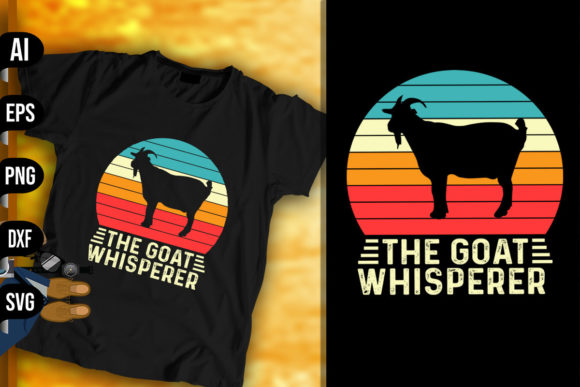
When I first opened the file for The Goat Whisperer - Retro Vintage, I didn't just see a graphic; I saw a character. As someone who spends hours evaluating digital assets for actual stitching, my immediate reaction was to imagine this design sitting on a well-worn canvas tote or perhaps a cozy fleece sweatshirt. The "Retro Vintage" aesthetic isn't just a filter; it suggests a specific mood of nostalgia and rustic charm that translates surprisingly well into thread. This isn't a generic clip-art image; it feels like a piece of storytelling ready to be brought to life in a physical space.
For those of us running small shops or crafting personalized gifts, the visual personality of a design is everything. The Goat Whisperer - Retro Vintage strikes a balance between whimsical and professional. It has enough detail to hold interest but maintains a clean silhouette that shouldn't get lost in the texture of heavy fabrics. Before I committed to using this for a client project, I ran through a mental checklist of how this would perform in real-world scenarios, from a quick Etsy listing mockup to a high-volume commercial run.
From Digital File to Finished Product
The transition from a digital print template to an embroidered reality can be tricky. With The Goat Whisperer - Retro Vintage, the layout seems designed with embroidery constraints in mind. The retro styling naturally lends itself to satin stitch outlines, which give that classic, slightly raised look that customers love. However, the devil is always in the details, especially when dealing with intricate elements like facial features or text curves.
I envision this design being perfect for a custom apron for a local farm shop or a set of matching tea towels for a holiday gift bundle. The theme fits seamlessly into agricultural, farmhouse, or nature-inspired collections. When I looked at how the lines flow, I could easily see it working as a standalone patch on a denim jacket or centered on the chest of a hoodie. The "Goat Whisperer" concept adds a layer of humor and warmth that resonates with crafters and boutique owners looking for unique branding assets. It moves beyond simple decoration and becomes a statement piece.
However, not every surface is created equal. While the design is versatile, its success depends heavily on the substrate. If you are planning to use this on a stretchy fabric like a jersey knit t-shirt, you will need to be vigilant about stabilizer choice. The retro style might have some fine lines that could pucker if the fabric isn't held taut during the stitching process. Similarly, on dark fabrics, the contrast of the thread colors becomes critical. A standard white thread might disappear against black cotton, so selecting the right thread palette is essential to maintain the integrity of The Goat Whisperer - Retro Vintage.
Navigating Stitch Density and Detail
One of the most common pitfalls in embroidery is underestimating the impact of stitch density. For a design like this, which likely contains both fill areas and delicate line work, the balance is key. If the fill stitch is too dense, the fabric will become stiff and lose its drape, making it unsuitable for comfortable apparel like baby clothes or soft pillow covers. Conversely, if the density is too low, the design may lack definition, causing the goat illustration to look washed out or blurry.
Before finalizing any order, I always recommend testing the design on scrap fabric. This step is non-negotiable. You need to verify that the small details in the corners of the design do not break up or merge together during stitching. If the design includes tiny lettering or intricate whiskers, these are the first areas to suffer from poor tension or incorrect hoop placement. For The Goat Whisperer - Retro Vintage, paying attention to these nuances ensures that the finished product looks polished rather than amateurish.
Furthermore, consider the end-use of the item. Is this going to be a daily driver like a kitchen towel or a special occasion garment? Items that undergo frequent washing require robust stitching techniques. If the design relies heavily on long floating stitches or very thin connecting lines, it might snag or unravel over time. In such cases, reinforcing the design or adjusting the stitch type to a more durable running stitch or tighter satin stitch might be necessary. Always check the file specifications provided by the creator to ensure the stitch count aligns with your machine's capabilities.
Strategic Placement for Maximum Impact
The versatility of The Goat Whisperer - Retro Vintage allows it to fit into a wide array of products, but strategic placement is what separates a good product from a great one. On a large tote bag, placing the design centrally creates a bold focal point. On a cap, however, the curvature of the brim and the limited space of the front panel require careful scaling. A design that looks perfect on a flat mockup might distort when wrapped around a curved hat.
For small business owners and Etsy sellers, this design offers excellent potential for creating cohesive product lines. Imagine a collection featuring this goat motif across mugs, phone cases, and printed signs alongside the embroidered versions. The consistency in branding builds trust and recognition among buyers. The retro vibe appeals to a demographic that values handmade quality and unique, story-driven items. It is the kind of design that encourages repeat purchases because it tells a story the customer wants to wear or display.
Yet, caution is advised when applying this to textured fabrics like burlap or thick wool. The uneven surface can make it difficult for the needle to penetrate cleanly, potentially leading to skipped stitches or misaligned elements. In these cases, a heavier stabilizer might be needed to support the fabric, or the design might need to be simplified. If you are selling finished goods, ensuring that the embroidery sits flat and crisp is vital for maintaining a high perceived value. Customers expect their handmade gifts to look professional, and a poorly executed stitch job can undermine the entire effort.
Practical Notes for the Embroidery Designer
To get the best results from The Goat Whisperer - Retro Vintage, there are a few technical steps every designer should take. First, review the thread color recommendations. Since this is a vintage-style design, muted earth tones or classic primary colors often work better than neon brights. Second, confirm the hoop size requirements. If the design is larger than your machine's standard hoop, you may need to split the design or use a multi-needle setup, which adds complexity to the production process.
Always inspect the design for any tiny text or minute details before sending it to production. These elements are often the first to fail if the file conversion wasn't done correctly. Additionally, test the design in black and white mockups to ensure the contrast holds up regardless of the thread color used. This helps visualize how the design will appear on different backgrounds without wasting expensive materials.
Finally, remember to check the licensing terms. Whether you are using this as a digital embroidery file for personal projects or as part of a commercial product line for sale, understanding the rights is crucial. Some licenses allow for unlimited sales of finished items, while others restrict the number of units or require attribution. Confirming these details protects your business and ensures you are using The Goat Whisperer - Retro Vintage responsibly.
In conclusion, The Goat Whisperer - Retro Vintage is a strong candidate for anyone looking to add a touch of rustic charm to their embroidery portfolio. Its design philosophy aligns well with current trends in handmade crafts and boutique branding. By taking the time to test, adjust, and place the design thoughtfully, you can transform a simple digital asset into a cherished physical object that stands out in a crowded marketplace.