Vintage Sunset Retro 6: A Designer's Real-World Embroidery Review
As a designer who spends hours testing machine embroidery design files before recommending them to clients or using them in my own shop, I approach every new download with a mix of excitement and skepticism. Today, I am evaluating Vintage Sunset Retro 6, a file categorized under Print Templates and Graphics that promises a nostalgic vibe for your next project. But does it hold up when the needle hits the fabric? After running through several test stitches and imagining this on various finished products, here is my practical assessment.
The First Impression: Mood and Visual Personality
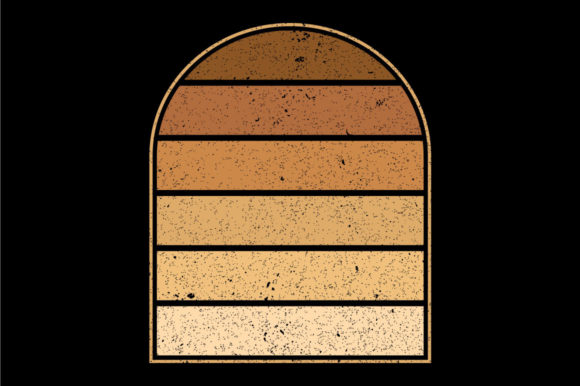
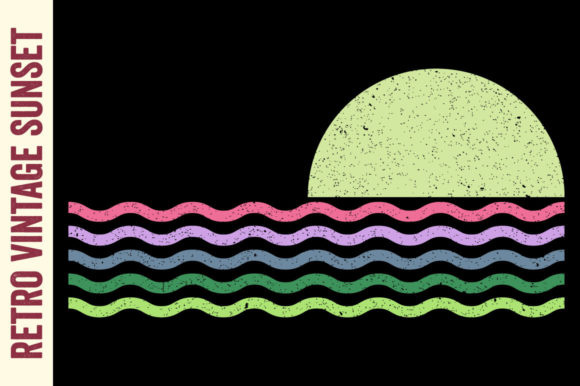
When you first open the file, Vintage Sunset Retro 6 immediately evokes a specific era. It isn't just a generic sunset; it carries the weight of retro aesthetics, likely featuring bold curves, warm gradients, and a sense of nostalgia that resonates deeply with current trends. The layout feels balanced, suggesting that the designer understood how negative space works in an embroidery file. Unlike many digital graphics that look flat when digitized, this design seems to have enough visual weight to stand alone without feeling cluttered.
The mood is warm, inviting, and slightly whimsical. It creates an instant connection to summer evenings, road trips, and vintage diners. For a creative entrepreneur looking to build a brand around handmade goods, this kind of visual personality is gold. It doesn't scream "generic template"; instead, it feels like a curated asset that could elevate a simple tote bag into a boutique-quality item. The shape and theme suggest versatility, making it suitable for everything from nursery decor to custom apparel.
Real-Life Application: From Digital File to Finished Product
I recently imagined placing Vintage Sunset Retro 6 on a real-world project to see if the concept translates well to stitching. Let's say I am preparing a custom embroidered tote bag for a local craft fair. The goal is to create a unique piece that stands out among mass-produced items. If I stitch this design onto a canvas tote, the retro colors would pop beautifully against the natural texture of the fabric. The contrast between the smooth satin stitch areas and the textured fill stitches would add depth that a printed graphic simply cannot achieve.
But what about other products? I envision this design on a cozy sweatshirt for a holiday gift. The warmth of the sunset theme fits perfectly with winter comfort wear, offering a cheerful contrast to cold weather. It also feels right at home on baby clothes, where soft pastels and gentle shapes are preferred. Imagine a onesie with a small version of Vintage Sunset Retro 6; it would be a perfect personalized gift for a new parent. The design's simplicity allows it to scale down well, which is crucial for smaller items like hats or patches.
For Etsy sellers and small shop owners, this file offers significant potential. It can serve as a core element in a line of merchandise, such as aprons for a baker or pillow covers for a home decor boutique. When customers see a high-quality embroidered patch featuring this design, they perceive higher value. The craftsmanship involved in machine embroidery adds a layer of trust and professionalism that buyers appreciate. It transforms a standard commodity into a handmade product with a story.
Navigating Challenges: Where to Use Caution
While the design has strong appeal, no digital embroidery file is without its challenges. As an experienced reviewer, I must point out where Vintage Sunset Retro 6 might struggle. One area of concern is small hoop sizes. If the design contains intricate details or dense stitch areas, shrinking it too much for a small cap or a child's sock could result in lost definition. The fine lines might merge together, turning a crisp image into a blurry blob.
Fabric choice is another critical factor. Textured fabrics, such as heavy corduroy or loose-weave linen, can make it difficult for the needle to penetrate cleanly, potentially distorting the design. Similarly, stretchy fabrics like jersey knit require careful stabilization; otherwise, the tension of the satin stitch could cause puckering. Dark fabrics present their own set of issues regarding thread color contrast. If the original file relies on light threads to define the sunset, you may need to adjust the color palette or use a lighter base fabric to ensure visibility.
Curved surfaces, like baseball caps, demand precision. If the design includes detailed corners or tiny lettering, the curvature of the hat might distort these elements. Furthermore, products that undergo frequent washing, such as kitchen towels or work aprons, require robust stitching. Dense stitch areas can sometimes trap lint or moisture, so ensuring the design is optimized for durability is essential. Always inspect small details and test the design on scrap fabric before committing to a final production run.
Impact on Brand Value and Customer Perception
The decision to use Vintage Sunset Retro 6 goes beyond aesthetics; it affects your entire brand identity. A well-executed embroidery project signals quality and attention to detail. When a customer receives a personalized gift with a clean, professional finish, their trust in your business grows. This design, with its retro charm, helps establish a consistent visual language that makes your shop recognizable.
In the competitive world of online marketplaces, presentation matters. Using a high-quality embroidery project like this in your printable mockup photos can significantly increase buyer engagement. Customers want to see how the texture and dimension of the thread interact with the fabric. A clear photo of Vintage Sunset Retro 6 stitched on a premium material can justify a higher price point, positioning your small shop product as a luxury item rather than a cheap knockoff.
However, consistency is key. If you mix this retro style with modern, minimalist designs without a cohesive strategy, it might confuse your audience. Ensure that the thread colors you choose align with your brand's palette. The visual appeal of the finished product should reflect the values of your business: creativity, care, and quality.
Practical Designer Notes for Success
Before you start stitching, there are several technical steps you must take to ensure success. First, always test the design on scrap fabric that matches the weight and texture of your final project. This will reveal any issues with stitch density or registration errors. Check the hoop size required by the file to ensure it fits your intended garment or accessory.
Review the stitch types carefully. Does the design rely heavily on running stitch for delicate lines, or is it built on solid fill stitch? Understanding the construction helps you select the right stabilizer to support the fabric during stitching. If the design is intended for commercial use, confirm the licensing terms. Some graphics come with restrictions on selling finished items, while others allow full commercial rights.
Don't forget to test the design in black and white mockups. Sometimes, color choices can mask structural flaws. Comparing light and dark fabric backgrounds will help you determine the best thread combinations for maximum impact. Finally, verify whether the file works for both personal and commercial projects. If you plan to sell items featuring Vintage Sunset Retro 6, having clear documentation on usage rights protects your business from legal complications.
In conclusion, Vintage Sunset Retro 6 is a versatile and visually appealing asset for any crafter or business owner looking to add a touch of retro flair to their craft business. With proper preparation and attention to detail, it can transform simple materials into cherished keepsakes. Whether you are creating a custom apparel line or crafting a one-of-a-kind gift, this design offers a strong foundation for your next creative endeavor.